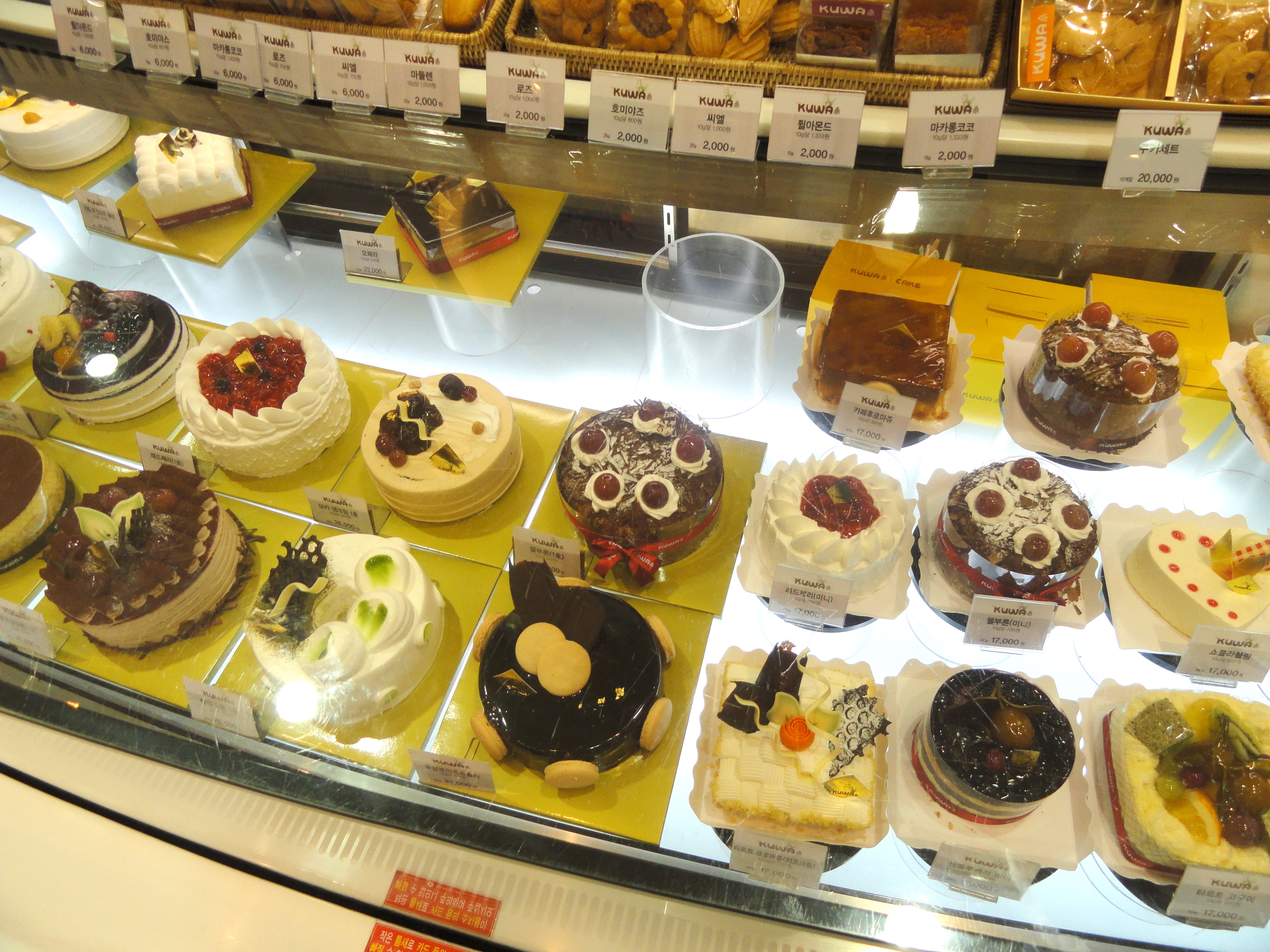

For food allergies in Seoul, ask before choosing a dish. A dish name won't tell you everything: check your own allergens and how the food is prepared.
Make a card before you leave
I suggest keeping your exact allergen names in Korean on your phone and on paper. Fill every blank below with the ingredients you personally need to avoid; these are templates, not a universal allergy card.
- 저는 ___에 식품 알레르기가 있어요. 먹으면 심한 반응이 생길 수 있어요. — I have a food allergy to ___. Eating it can cause a severe reaction.
- 이 재료가 들어가나요? 육수, 소스, 양념에도 들어가나요? — Does it contain this ingredient, including in the broth, sauce or seasoning?
- 이 재료를 조리한 튀김기, 기름, 불판, 냄비 또는 조리도구를 함께 쓰나요? — Do you share a fryer, oil, grill, pan or utensils used to prepare this ingredient?
- 조리하시는 분께 원재료와 교차접촉 가능성을 확인해 주시겠어요? — Could you check ingredients and possible cross-contact with the cook?
Check the answer and make sure staff understand. Asking only for an ingredient to be removed doesn't address shared equipment or sauce. If you've been prescribed emergency medication, discuss your travel action plan with your doctor and carry it.
Ask before ordering at restaurants and markets
Show the cook your card and ask about broths, sauces and seasonings. Cross-contact can occur through shared oil or cutting boards even if an ingredient is left out. Removing a visible garnish or cooking the food doesn't guarantee safety.
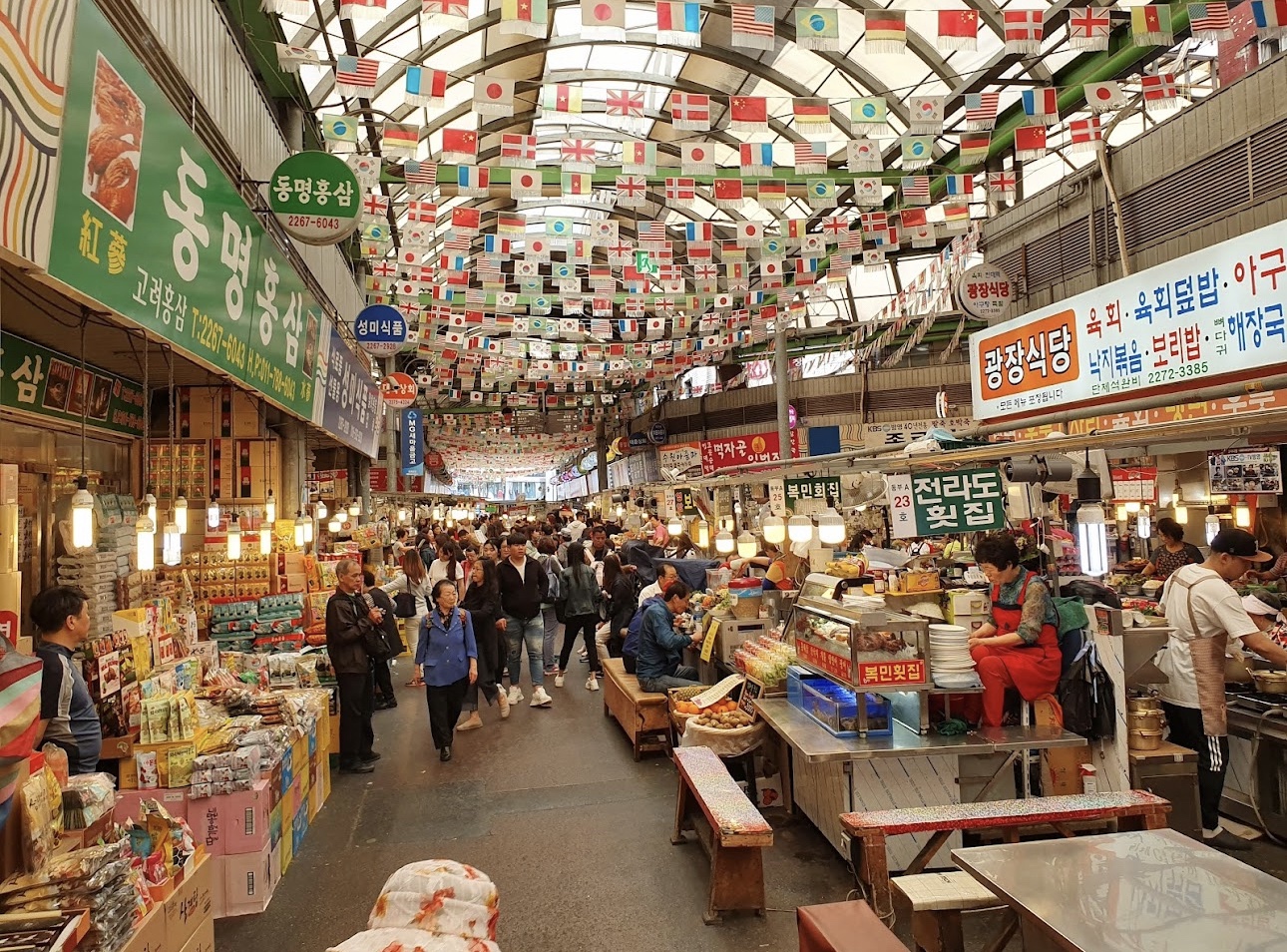
Use the same questions at a market stall. If it's too busy to get an answer, wait and ask again or find another option you can check. If the answer is uncertain or can't be confirmed, don't eat it. “Vegan” doesn't guarantee freedom from your particular allergen or cross-contact.
Read the package at convenience stores
Read the ingredient list and the nearby allergy statement together. Korea's food safety ministry gives “달걀, 우유, 새우, 이산화황, 조개류(굴) 함유” as an example: contains egg, milk, shrimp, sulfur dioxide and shellfish (oyster). It's an illustration, not a claim about a particular product. Rules have scope and exceptions, so a missing separate warning isn't proof of safety. MFDS labeling guidance, checked November 25, 2026.
A translation app can help, but check unclear words with the manufacturer or staff. If you can't read or verify the information, choose another product. Read the package each time, even for a familiar item.
If a reaction starts
If you suspect a severe allergic reaction, such as trouble breathing, throat tightness or dizziness, call 119 immediately and give your location and symptoms. If you have a prescribed epinephrine auto-injector, use it promptly in the outer thigh according to your action plan and device instructions. Get emergency medical care even if you feel better. Ask someone to stay and help. KDCA anaphylaxis guidance, checked November 25, 2026.
Show staff: “알레르기 응급상황이에요. 119에 전화해 주세요.” — It's an allergy emergency. Please call 119.
More trip planning
See the first-time visitor guide, navigation apps and convenience store guide. Food suggestions aren't allergy safety guarantees; check each order yourself.